
Journal of Advanced Biological Sciences
ISSN Print: N/A
ISSN Online: 3134-8823
About: Journal of Advanced Biological Sciences (JABS) is a peer-reviewed, open-access journal that aims to publish cutting-edge research and advancements in all areas of biological sciences. The journal serves as a platform for researchers, academicians, and professionals to contribute their scientific knowledge and foster innovation in biology-related fields.
Publisher Responsibility
Lumina Quest Publishing is responsible for providing the journal with the necessary publishing infrastructure, editorial support, production services, digital preservation, and dissemination of published content. The publisher supports transparent and ethical publishing practices and ensures that the journal’s publishing operations are conducted in accordance with applicable scholarly publishing standards.
The publisher is also responsible for maintaining the journal’s website, publication systems, archiving arrangements, and administrative support while respecting the independence of editorial decision-making.
Editorial Responsibility
The Editor-in-Chief and Editorial Board are responsible for maintaining the academic and scientific quality of the journal. The editorial team oversees the evaluation of submitted manuscripts, selection and coordination of peer reviewers, editorial assessment and decisions, and adherence to the journal’s scope and ethical standards.
Editorial decisions are made independently on the basis of academic quality, originality, methodological soundness, relevance, and ethical compliance, without inappropriate influence from the publisher, authors, reviewers, or commercial interests.
Editorial Independence
The editorial team maintains editorial independence in all decisions concerning manuscript evaluation, peer review, acceptance, revision, and rejection. The publisher does not interfere with the academic judgment of editors or reviewers.
Journal of Advanced Biological Sciences | Year 2026 | Volume 3 | Issue 1 | Pages 1-8
Cellular Senescence and Human Physiology: Mechanisms of Aging and Therapeutic Insights
Marwa Jewi 1*1Department of Science, College of Basic Education, AL-Mustansiriyah University, Iraq
View PDF Download XML Download DOI XML DOI: 10.66590/jabs2026030101
Abstract
Cellular senescence is a fundamental biological phenomenon featuring an irreversible cell-cycle arrest coupled with persistent metabolic activity and the release of pro-inflammatory factors (collectively termed as the senescence-associated secretory phenotype or SASP). Although transient senescence performs important homeostatic roles, e.g., in the context of tissue repair, embryogenesis and tumor suppression, the accumulation of senescent cells during life ultimately promotes aging and is a major cause of an increasing number of age-associated chronic diseases. This review summarizes the molecular biology of cell senescence by discussing the roles of genomic instability, telomere shortening, oxidative stress, mitochondrial perturbation and p53/p21 and p16INK4a/RB signaling pathways in inducing senescence. It also reveals how senescent cells influence tissue homeostasis, immune regulation and chronic inflammation to promote cardiovascular disease, neurodegenerative diseases; cancer and other aging relate maladies. Moreover, cutting-edge senotherapeutic strategies such as senolytics, senomorphics, regenerative medicine and personalized therapy to improve healthspan and reduce the burden of age-related diseases life are examined. It focuses on emerging technologies, biomarker discovery and precision medicine that can further improve early diagnosis and therapeutic efficacy. Taken together, the dual physiological and pathophysiological nature of cellular senescence offers a solid foundation for novel anti-aging therapies to protect human health during aging.
INTRODUCTION
Cellular senescence is a process where cells stop dividing and enter into permanent cell cycle arrest, while retaining metabolic activity which have gained the capacity to alter surrounding tissue through secretory products, releasing various inflammatory cytokines, chemokines, growth factors and proteases globally referred to as the senescence associated secretory phenotype. Senescence was first identified in 1961 by Hayflick as a mechanism that limits the number of times cells can replicate and more recently it has become clear this biological phenomenon is an important factor in human physiology and disease/pathophysiology. Senescent cells, while predominantly pro-survival in the acute phase of injury and stress, accumulate all throughout life and exacerbate virtually every age-associated pathology as well as the deterioration of organ systems with age [1].
The Biology of Aging
Aging is a biological process that manifests itself as a gradual reduction in physiological functions leading to enhanced vulnerability to aging-related diseases. The result of specific interactions among cellular, genetic, epigenetic and environmental events that combine to determine organismal life span and health span as shown in Figure 1.
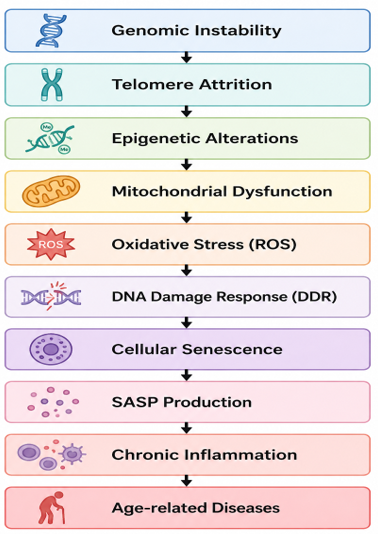
Figure 1: Hallmarks of Aging and Cellular Senescence
On the cellular level, aging is largely linked to an increase in senescent cells (cells that are irreversibly arrested due to response from DNA damage and other forms of stressors) resulting in impairment/loss of tissue architecture and function. Introduction Cellular senescence is a contributor to the decline in regenerative potential and represents an aspect of molecular aging. Genomic instability, changes in gene expression, stem cell exhaustion, impaired intercellular communication and accumulation of Reactive Oxygen Species (ROS) all associated with age also accelerate functional decay. The genetic prerequisites are critical for controlling the lifespan and aging trajectories. Over the past few years, genome-wide and epigenome-wide association studies have identified a large number of genetic and epigenetic pathways associated with aging while model organism-based research has yielded mechanisms underlying longevity control, genome maintenance and cellular homeostasis. Genetic information of epigenetic modifications, especially mirrored by biological or epigenetic aging clock which is tightly associated with cellular senescence. The aging process is not only influenced by intrinsic factors but also by environmental exposures. Oxidative stress and epigenetic changes, which are accelerated by external stresses (air pollution, cigarette smoke, mineral fibers or other environmental pollutants), are concrete examples of biological aging inside the body. Thus, aging needs to be viewed as an integrated process ultimately governed by the dynamic interplay among genetic tendency, cellular response, metabolic control, lifestyle choices and environmental exposures at molecular, cellular, tissue and systemic levels [2-4].
Cellular Senescence: Definition and Characteristics
Cellular senescence is a multifaceted stress response program defined by permanent cell-cycle arrest and apoptosis resistance [5]. Senescence can be induced by a multitude of molecular stressors, including telomere shortening, oxidative stress, mitochondrial dysfunction and oncogenic activation as well as aberrant mitogenic signaling plus epigenomic alterations or ribosomal stress. Most of the major regulatory pathways leading to senescent phenotype establishment are mediated through the p53/p21 axis, the p16^INK4a^/pRB pathway or other alternative signalling mechanisms [6]. Senescent cells, in addition to undergoing a permanent arrest of the cell cycle, have a distinct Senescence-Associated Secretory Phenotype (SASP), defined by the secretion of pro-inflammatory cytokines, chemokines, growth factors, matrix-remodeling enzymes and other bioactive molecules. SASP features have an important and substantial impact on tissue homeostasis, intercellular signaling and the local microenvironment, with key components of SASP being IL-6 (Interleukin-6) and IL-8 (Interleukin-8) [7]. Senescent cells also show profound metabolic redeployment, elevated ROS generation, Endoplasmic Reticulum (ER) stress, cqopulato crnntiQnn ddeormn Qlntact ameliorapepq qnd, region spen ofcatiad preo (chcomeid chromatin restructuring. As a result, cellular senescence incorporates multiple aging characteristics such as genomic instability, telomere shortening, loss of proteostasis, dysregulated nutrient sensing, mitochondrial dysfunction and the accumulation of epigenetic alterations leading to stem cell exhaustion [8]. It represents one common biological mechanism responsible for aging and diseases associated with aging.
Senescence Induction Pathways
Cellular senescence is considered the first step in development of senescent cells and can be triggered by transductional networks primarily including Oncogene-Induced Senescence (OIS), DNA Damage Response (DDR)-mediated senescence and Replicative Senescent (RS). Even with unique triggers, these pathways ultimately coalesce on the well-studied p53/p21 and p16^INK4a^/RB signaling arms that impart irreversible cell-cycle arrest [9]. Outside-In Signaling (OIS) where aberrant overactive oncogenes or gain-of-function mutations of cell surface proteins cause replicative stress leading to the generation of single and double stranded DNA breaks. This damage triggers DDR signaling pathways that ultimately lead to the development of the senescent phenotype. Telomere dysfunction, ultraviolet and ionizing radiation, oxidative stress, replication errors and other genotoxic insults can also trigger DDR-mediated senescence [10].
Molecular Markers of Senescence
No single universal marker for senescent cells has been established, thus their identification relies on a panel of biomarkers (Figure 2).
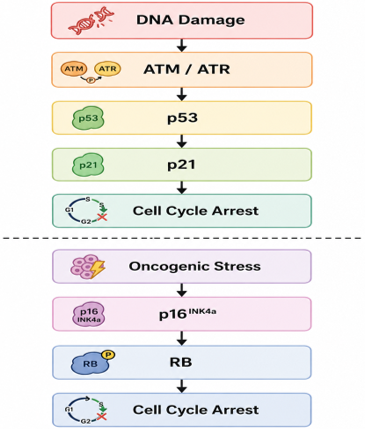
Figure 2: Molecular Pathways of Cellular Senescence
Two of the most common indicators are the cyclin-dependent kinase inhibitors p16^INK4a and p21^WAF1, which control the retinoblastoma (RB) and P53 tumor suppressor pathways, respectively [11]. The p16^INK4a^ marker is a well-known fingerprint of senescence initiation and p21^WAF1^ is crucial for the maintenance of cell-cycle arrest during the progression of cellular senescence. In terms of mechanism, p21^WAF1^ represses the expression of critical growth-associated proteins, including Proliferating Cell Nuclear Antigen (PCNA) and cyclin A to further promote the senescent program associated with permanent growth arrest. However, senescent cells cannot proliferate but they are metabolically active and markers of metabolic activity (e.g., glutamate dehydrogenase) have been used to identify senescent cells. While quantifying senescent cells is informative in the context of cellular aging and tissue-type specific senescence [12]. Evidence suggests that due to phenotypic heterogeneity, multiple complementary biomarkers are required for reliable identification and characterization of cell state.
Role of Senescent Cells in Human Physiology
Both physiological and pathological processes are regulated by senescent cells. They participate in tissue remodeling, maintenance and repair by the acquisition of a Senescence-Associated Secretory Phenotype (SASP) (Figure 3) that regulates immune function including acute inflammation and macrophage polarization. Toll-like receptor 2 (TLR2), expression promoted by SASP factors further strengthens cell-cycle arrest and sustains the senescent phenotype.
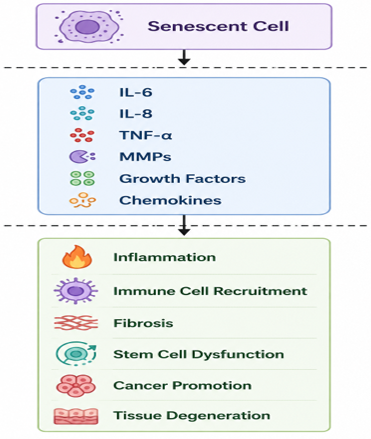
Figure 3: Effects of senescence-associated secretory phenotype (SASP)
Cellular senescence is now recognized to be a primary driver of aging and age-related diseases. The prevalence of chronic morbidity and mortality increases steeply with advancing age, fuelling the pathophysiology of cancer, cardiovascular disease (CVD), neurodegenerative diseases, fibrosis, diabetes mellitus, sarcopenia, osteoarthritis and many other chronic disorders. Senescence inhibits regeneration directly via loss of progenitor cell pools and indirectly through sustained secretion of pro-inflammatory mediators. Thus, targeting senescent cells and/or the signaling pathways they activated to induce inflammation has become a novel strategy for drug therapy against multiple aging-associated diseases [1,13].
By activating a senescence programme, irrevocable severe cellular damage forces cells into a persistent state of cell-cycle arrest that is sometimes transmitted to surrounding cells through paracrine communication as the so-called SASP. This arrest is sustained in senescent cells while also establishing the SASP, a multifaceted secretory programme whose biological roles depend on context. As a result, within normal physiology, senescence plays a robust tumor-suppression function by inhibiting the proliferation of either damaged or premalignant cells and aiding in embryonic development, tissue repair, regeneration, immune-cell recruitment after injury, stem-cell mobilization and tissue remodeling (the latter often confounding its adaptive role). Yet, with aging and the ongoing accumulation of cellular damage during a lifetime, the immune system becomes ineffective at clearing senescent cells that accumulate in various tissues contributing to a chronic state of low-grade inflammation. The gradual accumulation of senescent cells with a deleterious phenotype that is not cleared by immune cell function represents an important mechanism to explain age-related tissue impairment and disease development [13,14].
Impact on Tissue Homeostasis
Senescent cells help maintain normal tissue homeostasis and repair following injury and they are removed efficiently from tissues by the innate immune system under physiologically conditions. However, when they are produced in excess, they impair the integrity of tissues by inhibiting local stem-cell activity and contributing to chronic inflammation. Since mechanisms of immune surveillance wane with age, senescent cells are cleared less efficiently, causing the deterioration of tissues leading to functional decline with ageing [15].
Senescence and the Immune System
Cellular Maintenance of tissue and organismal homeostasis is ensured by immune surveillance and clearance mechanisms for the regulation of senescent-cell burden. Still, the realm of bidirectional connections between senescence and immune function is not yet completely delineated [7]. The interplay between cellular senescence and the immune system is a critical aspect of aging biology [16]. In particular, immune cells can experience cellular senescence which represents a mechanistic link to organismal aging. Cellular senescence and immunoesenescence are two different biological processes but can be present in some immune-cell niches together. Especially, T lymphocytes are prone to obtaining senescent-like features in response to inappropriate or chronic antigenic stimulation which contributes to their loss of proliferative function and effector functions. It is therefore critical to dissect the mechanistic links between cellular senescence and immunosenescence for understanding biology of aging and intervention approaches on how to extend health span, as well as enhance age-related immune function [17].
Senescence and Age-Related Diseases
Senescent cells progressively accumulate with aging and age-related pathologies, contributing to tissue dysfunction through both cell-autonomous effects and the Senescence-Associated Secretory Phenotype (SASP). These mechanisms promote the development of multiple chronic disorders, including cancer, cardiovascular diseases and neurodegenerative conditions [18], abbreviated as in Figure 4.
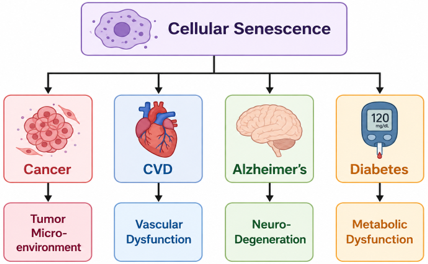
Figure 4: Senescence and Human Diseases
Cancer and Cellular Senescence
Cellular senescence is a stress response program triggered as a consequence of DNA damage, oncogenes activation and developmental signals that leads to permanent cell-cycle arrest. Whereas senescence is a powerful tumor suppressor during the initial stages of carcinogenesis, the Senescence-Associated Secretory Phenotype (SASP) can reshape the tumor microenvironment and promote malignant cell proliferation, invasion and disease progression. Thus, senescence serves a dual role in cancer biology, both as a barrier to tumor initiation and as an enabler of tumor progression [19,20]. Accumulation of senescent cells during aging engenders chronic afflictions and functional loss. In experimental studies, selective removal of senescent cells alleviates the pathologies and improves the function of various tissues associated with aging as well as prolongs lifespan, suggesting that senescence-targeted interventions are potential therapeutic strategies for health span extension and decreasing age-related morbidity [7].
Cardiovascular Diseases
Aging is an influential risk factor for cardiovascular disease (CVD), in part due to the buildup of senescent endothelial cells, vascular smooth muscle cells, fibroblasts and cardiomyocytes. They induce oxidative stress, chronic inflammation, vasculature remodelling along with atherosclerosis and heart failure which lead to disruption of cardiovascular homeostasis. Mechanistically, the most well characterized regulatory pathways mediating cardiovascular senescence comprise of SIRT1 and mTOR signaling [8,21]. Subsequently, vascular senescence is exacerbated by epigenetic changes such as microRNA dysregulation, chromatin remodeling and DNA methylation, histone modification and nuclear instability that synergistically promote proinflammatory gene expression [22].
Neurodegenerative Disorders
Cellular senescence drives secretion of proinflammatory factors that propagate neuroinflammation, mitochondrial dysfunction and vascular aging may be targeted by therapies beneficial for neurodegenerative disease, ultimately modulated at the systemic level in part by cellular senescence. This mitochondrial impairment leads to senescence and a phenotype of pathological secretory activity, further exacerbating functional loss and neurodegeneration. Amyloid-β deposition induces a neuronal senescence in the context of Alzheimer’s disease and astrocyte dysfunction triggers neuroinflammatory processes common to multiple neurological disorders [23]. New data suggest that clearing senescent cells may promote metabolic resilience, mitigate frailty and retard neurodegenerative progression. Aging CNS function is supported by additional factors impacting neuronal aging, including vascular aging, obesity, chronic hypoxia and genetic and epigenetic variables (e.g., REST polymorphisms) contributing to cognitive decline and disease susceptibility suggesting the feasibility of senescence-targeted therapies as a therapeutic approach to preserve neural function while aging [24,25].
Therapeutic Strategies Targeting Cellular Senescence
As mentioned previously, cellular senescence can be described as a permanent and mainly unrepeatable condition of cell cycle arrest caused by several factors lead to cellular damage. Furthermore, the progressive accumulation of these senescent cells during aging leads to tissue impairment through the local secretion of pro-inflammatory and tissue-remodeling factors, resulting in senescence being a key determinant underlying both aging as well as age-related disorders. As a result, various therapies have been developed such as senolytics to eliminate senescence cells; senomorphics to repress the senescence phenotype without removing the autoantigen; and regenerative medicine treatments, aimed at repairing and replacing tissue function damaged by the negative effects of senescence. Senescent cells avoid apoptosis using multiple redundant pro-survival pathways, including BCL-2 family proteins, p53 regulatory networks, PI3K/AKT signaling and p21-dependent mechanisms. Inhibition of senescent cells through BCL-2 inhibitors, HSP90 inhibitors, rapamycin, p53-modulating compounds, PI3K inhibitors or autophagy inducers and metabolism regulatory factors have potent effects on the survival of senescent cells both in vitro and vivo. Other approaches are boosting the clearance mediated by innate immunity, for instance via NK cell activation or antibodies against various senescent cell surface signatures (DPP4, uPAR, vimentin, etc. In addition, the cells with Senescence-Associated Secretory Phenotype (SASP) exhibited a decrease in release of pro-inflammatory mediators such as IL-1, IL-6 and IL-8 upon inhibition of JAK/STAT, NF-κB or p38MAPK signaling, blockade of IL-1 receptor and removal SN1P. Genetic and epigenetic treatments such as cellular reprogramming were also suggested to halt and, sometimes, inappropriately extend lifespan [19,26] but these are hampered by unresolved tumorigenic potential (Figure 5).
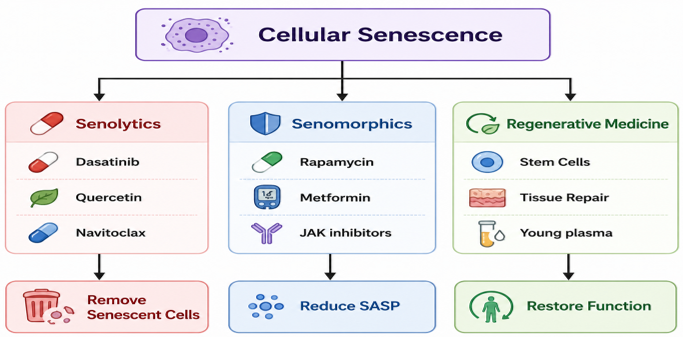
Figure 5: Therapeutic Strategies
Senolytics: Mechanisms and Applications
Senolytics are substances that selectively kill senescent cells by targeting pro-survival pathways that protect them from apoptotic signal. In a series of preclinical studies, agents like dasatinib and quercetin have been shown to kill senescent cells and improve tissue function along with healthspan. There are also many more senolytic candidates that have been discovered, several of which are currently in the early stages of clinical trial. Senolytics was therefore a promising therapeutic strategy to reduce senescent cell burden and ameliorate age-dependent tissue dysfunction and diseases progression [27].
Senomorphics: Modulating the Effects of Senescence
Senomorphics are a class of drugs that inhibit the unfavorable effects of senescent cells without causing their removal, in contrast to senolytics. Mainly targeting the SASP, these agents promote chronic inflammation and tissue damage but potentially conserve beneficial physiological functions attributable to senescent cells. Rapamycin and metformin also suppress SASP activity and induce apoptosis in certain contexts. On the other hand, nicotinamide riboside and anakinra reduce pro-inflammatory SASP signaling capability, while pyrvinium, MitoQ and azithromycin inhibit SA production without causing cell death [28].
Regenerative Medicine Approaches
The age-associated loss of regenerative capacity very probably involves not only functional impairment of stem cells but also the accumulation of senescent cells in the tissue microenvironment. Studies from heterochronic parabiosis, where aged animals are chronically exposed to young circulatory factors, demonstrate that rejuvenation of aging phenotypes occurs in multiple organs by exposure to the young milieu such as in brain, heart, liver and skeletal muscle. Overall, while age-associated alterations in both intrinsic stem cells and their niche lead to regenerative dysfunctions in skeletal muscle. Young blood contains factors such as oxytocin that improve stem cell regenerative capacity at least partly by promoting proliferation, while age-related factors including transforming growth factor-beta (TGF-β) and C-C motif chemokine ligand 11 (CCL-11) inhibit stem cell function. In various aged models, experimental inhibition of TGF-β, CCL-11 or their cognate receptors promote improved response to activation by stem cells with enhancement of tissue regeneration [29,30] thus presenting the idea that systemic rejuvenation strategies covering these factors present a potential therapeutic opportunity for combating age-related degeneration (Table 1).
Table 1: Comparison of Major Senotherapeutic Strategies
|
Limitations |
Advantages |
Representative Agents |
Mechanism of Action |
Therapeutic Strategy |
|
Potential off-target toxicity and limited clinical evidence |
Reduce senescent cell burden and improve tissue function |
Dasatinib, Quercetin, Navitoclax, |
Selectively eliminate senescent cells by inducing apoptosis |
Senolytics |
|
Long- term treatment may be required |
Preserve beneficial effects of senescent cells while reducing inflammation |
Rapamycin, Metformin, JAK inhibitors |
Suppress SASP and modulate senescent cell activity without eliminating the cells |
Senomorphics |
|
High cost and still largely experimental |
Promote tissue repair and functional recovery |
Stem cell therapy, Young plasma factors, Oxytocin |
Restore tissue homeostasis through stem cells and regenerative approaches |
Regenerative Medicine |
.
Study Case
Increasing amounts of evidence coming from both naturally aged and accelerated (i.e., progeroid) mouse models has shown that the targeted removal of senescent cells strikingly enhances tissue function-and increases lifespan-establishing cellular senescence as one of the main drivers of aging and age-related diseases. These discoveries confirmed the idea that understanding how a pair of proteins controls cell division will lead to therapies that can selectively kill senescent cells but leave healthy tissue intact (senolytic therapy). A further robust literature illustrates that the build-up of senescent cells in older tissues correlates with loss-of-function, lower regenerative ability and development of various non-malignant age-associated disorders. In contrast, either experimental removal or targeted alteration of senescent cells alleviate tissue homeostasis dysregulations and increase regenerative potential with rejuvenation-like outcomes high-lightening the critical translational importance of senolysis/molecularly-modulated cellular senescence as a therapeutic approach for ameliorating age related physiological outcomes [31]. Currently, pharmaceutical companies are conducting several clinical trials to evaluate the efficacy and safety of senolytic therapies based on in vitro and currently available in vivo data. Of these investigational agents, Kdyri has exhibited a striking capacity to decrease senescent cell accumulation and ameliorate age-related phenotypes in multiple preclinical murine models. Notably, recent investigator-initiated early phase clinical trials have yielded results that closely correlate with the murine data previously observed, suggesting the translatability of this novel treatment approach. Simultaneously, extensive genomic, transcriptomic and proteomic analyses should shed light on the underlying mechanisms of drug sensitivity, enable us to identify predictive biomarkers for drugs as well as individualized intervention strategies and optimized combinatory treatments that might be conducted in the future further progressing geroscience research Likewise, multiple doses of Daronarestat were able to permanently decrease the number of senescent cells in the liver of old mice and attenuate age-associated functional decline tracked at two months. Pilot transcriptomic and epigenomic analyses have corroborated these positive effects [32], implying that systemic senolytic therapy may promote global molecular remodeling to restore tissue function [33,34]. The safety of senolytic interventions is also a key focus of ongoing research, in addition to their therapeutic efficacy. Thus, many preclinical models and organ systems have been used for safety assessments alongside continuing clinical development programs. Such investigations have defined characteristics of dosage and duration-dependent effects for a variety of senolytic compounds, paving the way for elucidation of optimum treatment schedules and therapeutic windows. Additionally, the combination of longitudinal transcriptomic and proteomic studies has permitted determination of suitable post-treatment washout times to return to a pre-treatment physiological state while allowing continued temporal molecular response monitoring [35]. These studies will also help establish safe retreatment intervals and suggest possible overlap in duration-dependent biological effects.
Identifying predictive and prognostic biomarkers for the stratification of patients in a clinical setting before, during and after targeted therapy is just as critical to the successful translation to clinic. These are important biomarkers for early-intervention clinical studies, allowing accurate monitoring of therapeutic efficacy, identifying treatment responsiveness and potentially facilitating the process of tailoring personalised, optimum treatments. As a result, there is an extensive emphasis right now to develop biomarkers-guided approaches that maximize treatment benefit and mitigate toxicity.
Future Directions in Senescence Research
The progressive accumulation of senescent cells reflects chronic cellular stress and contributes to tissue dysfunction through persistent secretion of Senescence-Associated Secretory Phenotype (SASP) factors, impaired progenitor cell proliferation and sustained immune activation. These findings have accelerated the development of senotherapeutics, including senolytics, which selectively eliminate senescent cells and senomorphics, which suppress their detrimental secretory activity. Emerging immunotherapeutic approaches, such as engineered T-cells targeting senescence-specific surface markers, have also demonstrated promising preclinical outcomes. Future advances integrating biomarker discovery, mechanistic understanding and clinical translation are expected to facilitate effective interventions that reduce the burden of aging-related diseases [36].
Emerging Technologies in Senescence Research
The ability to now probe more precisely the molecular mechanisms that regulate cellular aging has been one of the most important advances in senescence research driven by recent technological platforms. New technologies, in particular microfluidics platforms, single-cell epigenomic analyses, microRNA-mRNA interaction profiling and next-generation senescence biomarkers have greatly improved experimental modelling and therapeutic development. Simultaneously, novel senolytic candidates are being identified and therapeutic targeting optimized using machine learning and computational approaches. Collectively, these modalities are anticipated to expedite the clinical translation of personalized therapy and interventions in multiple tissues and age-related diseases [37].
Potential for Personalized Medicine
The selective ablation of senescent cells or the inhibition of their inflammatory signaling pathways is a promising therapeutic approach. Integrating diverse senescence biomarkers into holistic predictive models may enhance disease characterization, enable early diagnosis and establish optimal points for therapeutic intervention [14]. Therapeutic approaches toward senescence-senolytics, senomorphics, cellular reprogramming, immunomodulatory therapies with agents such as peptides (fexapotide triflutate), pharmacological products and nanotechnology-based strategies-have substantial promise for lifespan extension and healthspan improvement [38]. In addition, senescence-associated biomarkers could serve as early detection signals for the progression of age-related pathologies and promising tools to monitor a response to anti-senescence therapies. As major mechanisms of replicative senescence seem well conserved in different age-related diseases, an approach integrating biomarker-based diagnostics with specific treatment strategies might guide future personalized medicine [39].
Ethical Considerations in Senescence Research
Two classes of serotherapeutic interventions are apoptosis-mediated senolytic agents, which selectively kill senescent cells and senomorphic therapies that would derive the benefit of by inactivating their pro-inflammatory secretory phenotype without eliminating them. Despite the major implications these strategies bring in terms of healthspan and quality life improvements, their clinical implementation poses many ethical, social and regulatory issues. The idea of altering or postponing the aging process has stirred a great deal of ethical controversy. Though such anti-aging therapies may increase resilience, lower age-related morbidity and decrease the social burdens of population aging, their eventual long-term impact remains poorly understood. A lack of practical experience with widespread senotherapeutic interventions has created uncertainty regarding the management of adverse effects and harms, equitable access, necessary resource allocation that could exacerbate current health disparities and whether extending human lifespan constitutes an actual public goods benefit to society. Therefore, proactive and adaptive ethical frameworks are needed to promote the
responsible development and implementation of anti-aging technologies alongside scientific advances [40]. thus, it requires an integrated knowledge that bridges molecular, cellular, environmental and clinical science. A holistic view is necessary for evaluating the ecosystem-level effects of senescence and interventions targeting senescent cells and their impact on human health and lifespan [41].
CONCLUSIONS
Earliest observations of cellular senescence have offered valuable foundation mechanistic details for the aging process. The aging-related decline is largely due to the gradual accumulation of unrepaired cellular damage, whereas replicative senescence is a major cause of early aging. Many senescence-related biomarkers have also been found to correlate with chronological age. Cellular senescence is a consequence of complicated interaction between aging related processes and compensatory mechanisms on cellular as well as tissue levels but it may represent an actionable target. Consequently, approaches to the elimination of senescent cells may provide novel therapeutic avenues for the prevention and treatment of cancer and other age-related diseases. More research is warranted to understand the basis of senescence in humans, which may guide future interventions targeting the deleterious consequences of cellular senescent profiles.
REFERENCES
- Mehdizadeh, M. et al. "The Role of Cellular Senescence in Cardiac Disease: Basic Biology and Clinical Relevance." Nature Reviews Cardiology, vol. 19, no. 4, 2022, pp. 250-264.
- Secomandi, L. et al. "The Role of Cellular Senescence in Female Reproductive Aging and the Potential for Senotherapeutic Interventions." Human Reproduction Update, vol. 28, no. 2, 2022, pp. 172-189.
- Zhang, L. et al. "Targeting Cellular Senescence with Senotherapeutics: Senolytics and Senomorphics." The FEBS Journal, vol. 290, no. 5, 2023, pp. 1362-1383.
- Dai, Y. et al. "Reactive Oxygen Species-Scavenging Nanomaterials for the Prevention and Treatment of Age-Related Diseases." Journal of Nanobiotechnology, vol. 22, no. 1, 2024.
- Saito, Y. et al. "Role of Cellular Senescence in Inflammation and Regeneration." Inflammation and Regeneration, vol. 44, no. 1, 2024. https://doi.org/10.1186/s41232-024-00 342-5.
- Nousis, L. et al. "Oxidative Stress-Induced Cellular Senescence: Is Labile Iron the Connecting Link?" Antioxidants, 2023.
- Kumari, R. and P. Jat. "Mechanisms of Cellular Senescence: Cell Cycle Arrest and Senescence Associated Secretory Phenotype." Frontiers in Cell and Developmental Biology, 2021.
- López-Otín, C. et al. "Hallmarks of Aging: An Expanding Universe." Cell, vol. 186, no. 2, 2023, pp. 243-278.
- Wu, X. et al. "DNA Damage Response (DDR): A Link between Cellular Senescence and Human Cytomegalovirus." Virology Journal, 2023.
- Zhu, H. et al. "The Rise of RAS: How Gradual Oncogene Activation Shapes the OIS Spectrum." Genes & Development, 2025.
- Wang, A.S. and O. Dreesen. "Biomarkers of Cellular Senescence and Skin Aging." Frontiers in Genetics, vol. 9, 2018.
- Suryadevara, V. et al. "SenNet Recommendations for Detecting Senescent Cells in Different Tissues." Nature Reviews Molecular Cell Biology, vol. 25, no. 12, 2024, pp. 1001-1023.
- Ren, L.L. et al. "TGF-β as a Master Regulator of Aging-Associated Tissue Fibrosis." Aging and Disease, vol. 14, no. 5, 2023.
- Liu, B. et al. "Regulation of Cellular Senescence in Tumor Progression and Therapeutic Targeting: Mechanisms and Pathways." Molecular Cancer, vol. 24, no. 1, 2025.
- Kuehnemann, C. and C.D. Wiley. "Senescent Cells at the Crossroads of Aging, Disease and Tissue Homeostasis." Aging Cell, 2024.
- Sharma, Rohit et al. “Emerging cellular senescence-centric understanding of immunological aging and its potential modulation through dietary bioactive components.” Biogerontology vol. 23, no. 6, December 2022, pp. 699-729. https://pubmed.ncbi.nlm.nih.gov/ 36261747/.
- Liu, Z. et al. "Immunosenescence: Molecular Mechanisms and Diseases." Signal Transduction and Targeted Therapy, vol. 8, no. 1, 2023.
- Chen, Zhongxu et al. “Nutrition Interventions of Herbal Compounds on Cellular Senescence.” Oxidative Medicine and Cellular Longevity vol. 2022, April 2022. https://doi. org/10.1155/2022/1059257.
- Kang, Chanhee. “Senolytics and Senostatics: A Two-Pronged Approach to Target Cellular Senescence for Delaying Aging and Age-Related Diseases.” Molecules and Cells vol. 42, no. 12, December 2019, pp. 821-827. https:// doi.org/10.14348/molcells.2019.0298.
- Zingoni, A. et al. "The Senescence Journey in Cancer Immunoediting." Molecular Cancer, vol. 23, no. 1, 2024.
- Zhou, D. et al. "Hallmarks and Detection Techniques of Cellular Senescence and Cellular Ageing in Immune Cells." Aging Cell, 2021.
- Xie, M. et al. "The Crosstalks between Vascular Endothelial Cells, Vascular Smooth Muscle Cells and Adventitial Fibroblasts in Vascular Remodeling." Life Sciences, 2025.
- Tenchov, R. et al. "Aging Hallmarks and Progression and Age-Related Diseases: A Landscape View of Research Advancement." ACS Chemical Neuroscience, vol. 15, no. 1, 2023, pp. 1-30.
- Wiley, C.D. and J. Campisi. "The Metabolic Roots of Senescence: Mechanisms and Opportunities for Intervention." Nature Metabolism, 2021.
- Shafqat, Areez et al. “Cellular senescence in brain aging and cognitive decline.” Frontiers in Aging Neuroscience vol. 15, November 2023. https://doi.org/10.3389/fnagi.2023. 1281581.
- Jan, N. et al. "Balancing Senescence and Apoptosis: Therapeutic Insights into Aging and Cancer." Molecular and Cellular Biochemistry, 2025, pp. 1-30.
- Riessland, M. et al. "Therapeutic Targeting of Senescent Cells in the CNS." Nature Reviews Drug Discovery, vol. 23, no. 11, 2024, pp. 817-837.
- Moiseeva, V. et al. "Senescence Atlas Reveals an Aged-Like Inflamed Niche That Blunts Muscle Regeneration." Nature, vol. 613, no. 7942, 2023, pp. 169-178.
- Kaczmarek, A. et al. "The Role of Satellite Cells in Skeletal Muscle Regeneration-The Effect of Exercise and Age." Biology, vol. 10, no. 10, 2021.
- Ancel, S. et al. "Nicotinamide and Pyridoxine Stimulate Muscle Stem Cell Expansion and Enhance Regenerative Capacity during Aging." The Journal of Clinical Investigation, vol. 134, no. 24, 2024.
- Suda, M. et al. "Targeting Cell Senescence and Senolytics: Novel Interventions for Age-Related Endocrine Dysfunction." Endocrine Reviews, vol. 45, no. 5, 2024, pp. 655-675.
- Morita, M. et al. "Targeting Cellular Senescence in Progenitor Cells as a Strategy to Enhance Bone Regeneration by Cell Therapies: A Systematic Review of Pre-Clinical Investigations." Stem Cell Research & Therapy, vol. 16, no. 1, 2025.
- Khalil, R. et al. "Emerging Therapeutic Approaches to Target the Dark Side of Senescent Cells: New Hopes to Treat Aging as a Disease and to Delay Age-Related Pathologies." Cells, 2023.
- Zheng, L. et al. "Targeting Cellular Senescence in Aging and Age-Related Diseases: Challenges, Considerations and the Emerging Role of Senolytic and Senomorphic Therapies." Aging and Disease, 2024.
- Alum, E.U. et al. "Targeting Cellular Senescence for Healthy Aging: Advances in Senolytics and Senomorphics." Drug Design, Development and Therapy, 2025, pp. 8489-8522.
- McHugh, D. et al. "Senescence as a Therapeutic Target in Cancer and Age-Related Diseases." Nature Reviews Drug Discovery, 2025.
- Ashammakhi, N. et al. "Highlights on Advancing Frontiers in Tissue Engineering." Tissue Engineering Part B: Reviews, vol. 28, no. 3, 2022, pp. 633-664.
- Kureel, S.K. et al. "Recent Advancement in Elimination Strategies and Potential Rejuvenation Targets of Senescence." Advanced Biology, 2024.
- Pacifico, F. et al. "Therapy-Induced Senescence: Novel Approaches for Markers Identification." International Journal of Molecular Sciences, vol. 25, no. 15, 2024.
- Rosen, R.S. and M.L. Yarmush. "Current Trends in Anti-Aging Strategies." Annual Review of Biomedical Engineering, vol. 25, no. 1, 2023, pp. 363-385.
- Li, C. et al. "A Comprehensive Overview of Cellular Senescence from 1990 to 2021: A Machine Learning-Based Bibliometric Analysis." Frontiers in Medicine, 2023.